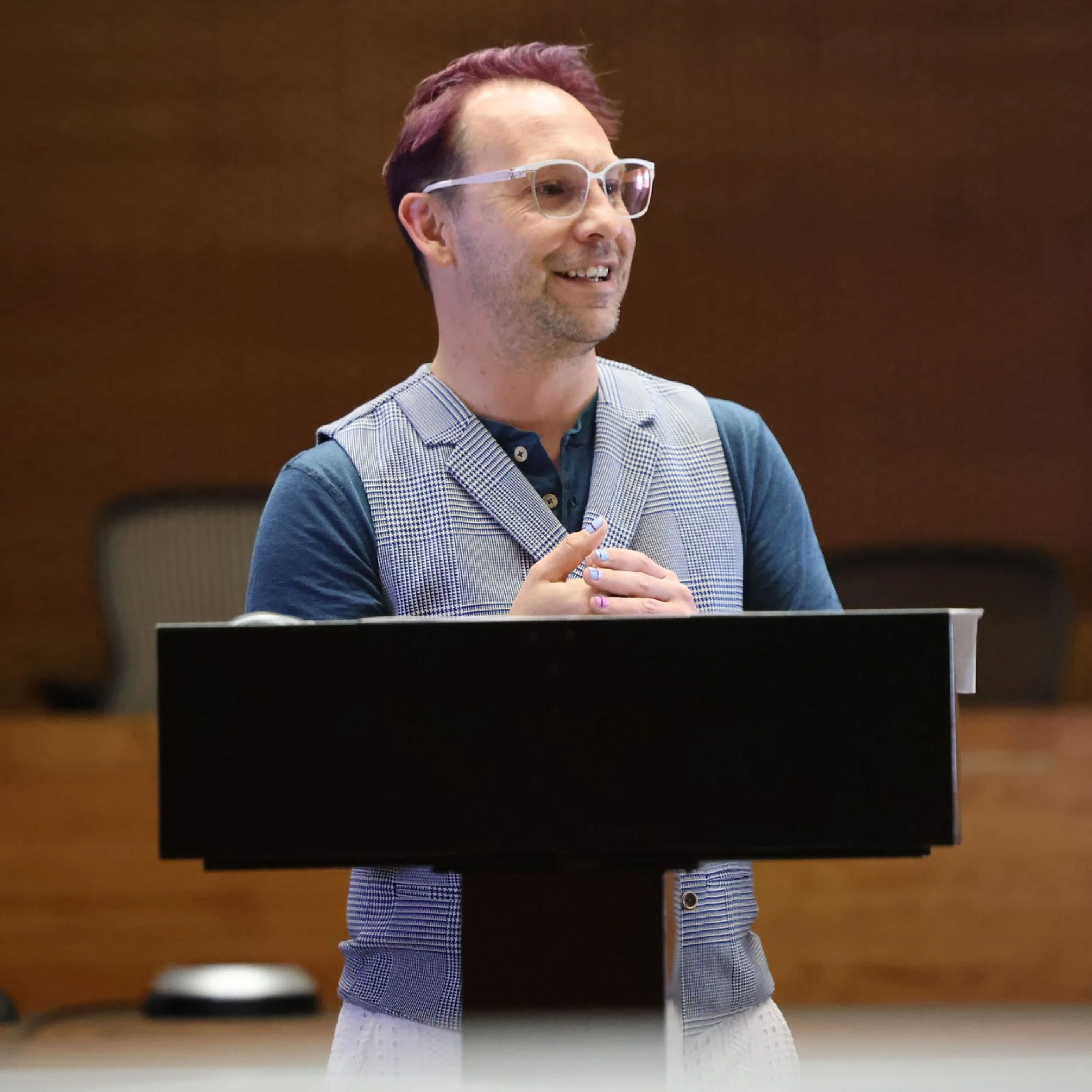
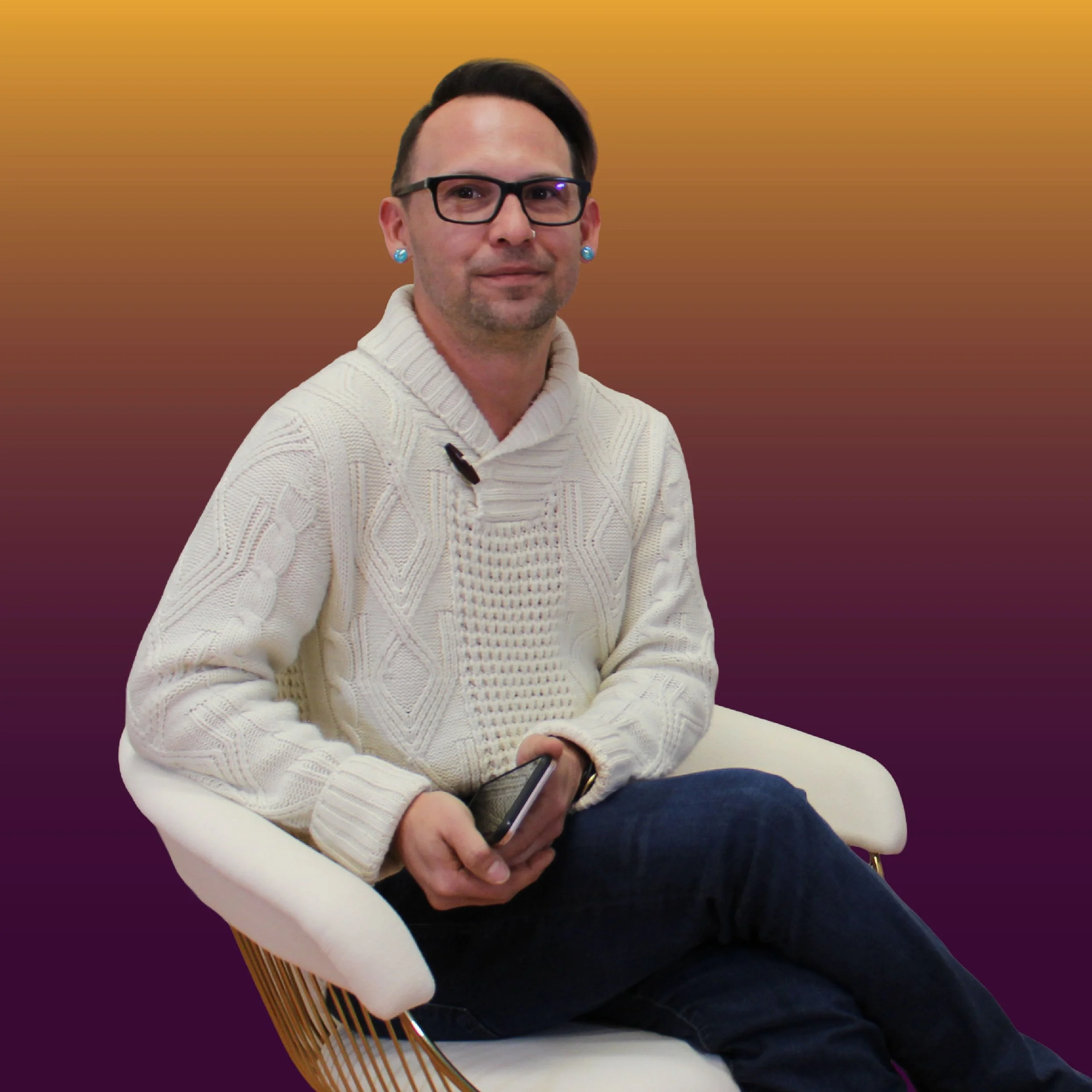
By Marshall Martinez, Chief Liberation Officer, Equality New Mexico
I came out the summer between my junior and senior years of high school in Alamogordo and graduated in 2001, when people were still dying of AIDS in staggering numbers. As the only queer kid I knew of, growing up in a working-class family with generations of New Mexican roots, for as long as I can remember, I’ve just wanted to try to make things better for people around me. My generation of queer people lost the mentors who should have taught us how to lead. I've spent my adult life fighting AIDS, confronting addiction crises, and building safe spaces and healthy lives for teenagers. I could never afford to run for the Legislature.
Most of the working-class people I love would make incredible lawmakers. We grew up choosing between the electric bill and the gas bill, or skipping the extra protein at the grocery store. We know what it's like to be the only queer kid in the room, with nobody there who has your back. Almost none of us could afford to serve.
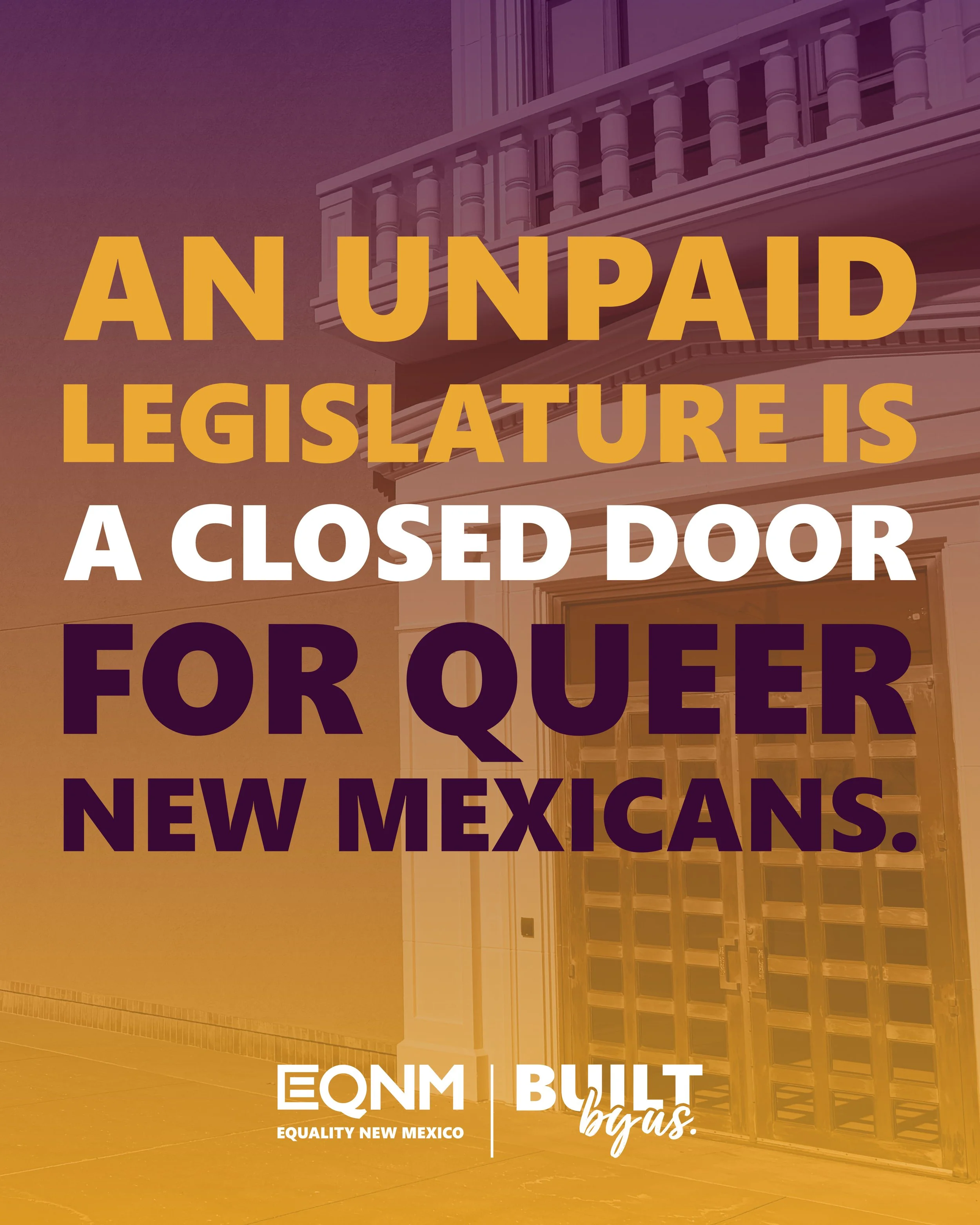
New Mexico is the only state that doesn't pay its legislators a salary. Lawmakers get a small per diem for housing and travel while they live in Santa Fe for 30 or 60 days, but no paycheck. Then come interim committee meetings all year, where far more could get done if more legislators could attend. To serve, you need savings, family wealth, or a business that runs without you. That isn't the reality for most New Mexicans.
As LGBTQ New Mexicans, we usually don't have it either. I've talked with young trans activists, gay nurses, lesbian teachers and farmers, even college professors, who all tell me the same thing: I would run to serve, but I can't afford it. I have a family to care for.
So who is left? If only older, wealthier people make our laws, who speaks for trans people seeking dignity in schools and doctor's offices, or for people who need reproductive healthcare? Who stands with farmers and ranchers protecting our land and water as massive data centers compete for it? Who fights for clean air, public health, and a criminal legal system that protects the vulnerable and heals those harmed?